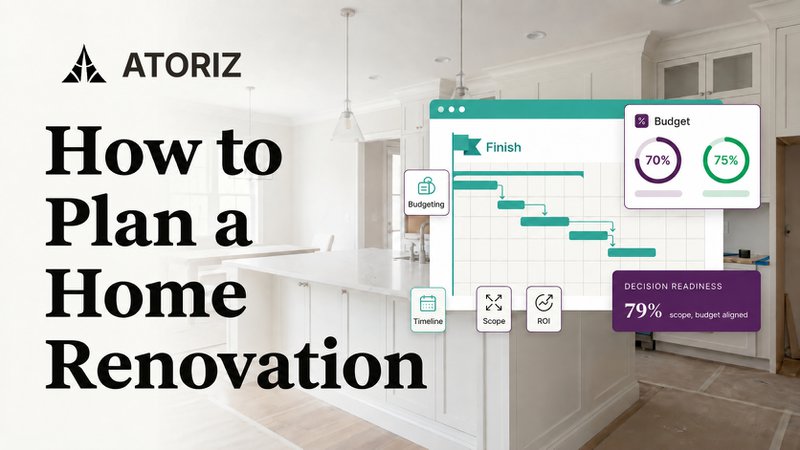
Understanding How to Calculate Renovation Costs
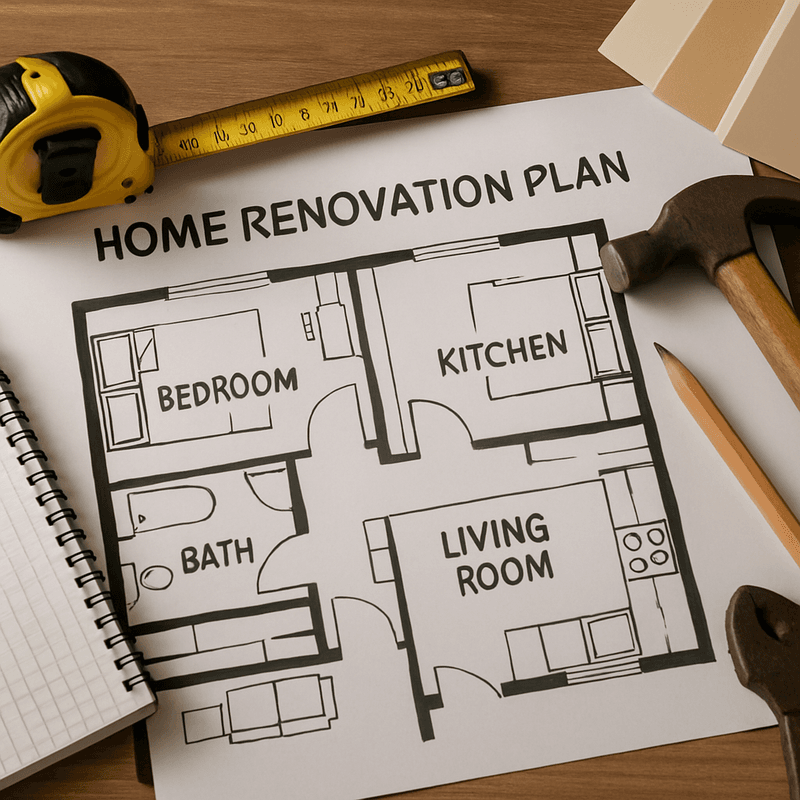
Renovating a home can be an exciting yet daunting task. Understanding the costs involved is crucial for a successful project.
Accurate cost estimation helps in setting a realistic budget. It prevents financial surprises and ensures the project stays on track.
Many factors influence renovation costs, from materials to labor. Each element plays a significant role in the overall budget.
Using tools like a home remodel calculator or a home remodeling cost calculator can simplify the estimation process. These tools provide a preliminary cost overview (general information), aiding in financial planning and more reliable home renovation cost estimates.
This guide will explore how to calculate renovation costs effectively. It will equip you with the knowledge to manage your home renovation budget wisely.
Why Calculating Renovation Costs Matters
Calculating renovation costs is essential for any successful home improvement project and for building accurate home renovation cost estimates. It serves as the foundation for all financial planning.
Accurate cost estimation helps avoid unexpected expenses. This can keep your project from spiraling out of control.
It also aids in prioritizing renovations based on what you can afford, whether you’re planning minor updates in a single room or tackling a larger home renovation project. Proper allocation of resources ensures each dollar is well-spent.
Key reasons to calculate renovation costs include:
- Preventing budget overruns
- Making informed decisions
- Achieving desired quality without overspending
By understanding the financial commitment, homeowners can approach renovations with confidence. Proper planning reduces financial stress and creates a smoother renovation experience.
Key Factors That Influence Renovation Costs
Several factors can significantly affect renovation costs. Understanding them will help in crafting a realistic budget.
The project scope of your project is a primary factor. Larger renovations naturally demand more resources and time.
Material choice plays a crucial role as well. Premium materials cost more but often offer better durability and aesthetics.
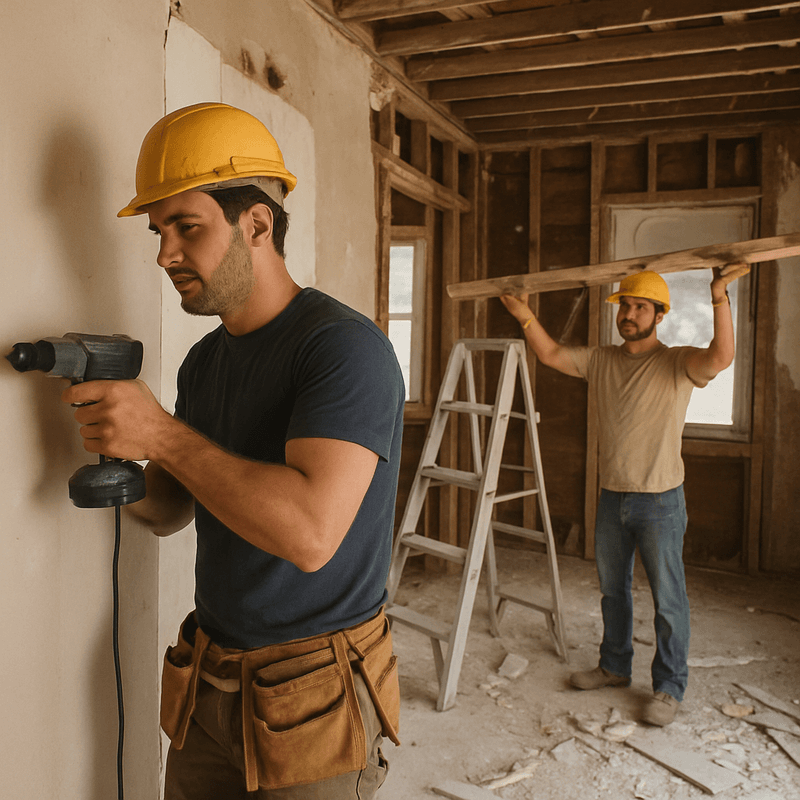
Labor costs also add a substantial portion. Depending on the complexity of tasks, labor can vary widely, especially if you hire a general contractor to manage multiple trades.
Other factors include:
- Geographic location (regional pricing differences can be significant, from San Francisco to smaller markets)
- Required permit and inspections
- Home age and condition
Also consider energy-efficient upgrades. They might be costlier initially but provide savings over time. Timing can also influence costs; off-peak periods might offer contractor discounts.
Furthermore, customization and design complexity can increase expenses. Unique features and personalized designs often come at a premium. Planning with these key factors in mind allows for more accurate home renovation cost estimates, ensuring financial readiness.
Common Types of Renovation Projects and Their Costs
Home renovations vary widely in scope and cost. Understanding common home renovation projects can help in budgeting accurately.
Kitchen remodels are popular and often expensive. They typically involve appliance upgrades, new cabinets, and countertops. Costs can range widely based on materials and layout changes. For planning, a kitchen remodel estimate tool or a kitchen renovation estimate calculator can help shape expectations.
Bathrooms are another frequent target for renovations. Projects might include installing new fixtures, tiles, and vanities. Similar to kitchens, the costs depend significantly on the finishes and fixtures chosen (and bathroom renovations often reveal plumbing surprises).
Basement renovations provide additional living space. These basements projects often require insulation, flooring, and electrical work, and sometimes full conversions that add bathrooms or a wet bar.
Typical renovation projects include:
- Kitchen upgrades
- Bathroom remodeling
- Basement finishing
- Living room updates

Other common updates focus on living room updates and transformations. New flooring, lighting, painting, and updated trim can refresh the space affordably.
Many undertake whole-house renovations to modernize or increase home value. Each room's transformation adds up, making a thorough house renovation estimate vital before starting work, especially for mid-range projects where the typical budget can climb quickly.
Step-by-Step Guide: How to Estimate Your Renovation Costs
Accurately estimating renovation costs requires a systematic approach. If you're wondering how to estimate renovation costs, the following steps will help you calculate renovation costs with clarity. Start by clearly defining the scope of your project. Write down every task you plan to undertake, then turn it into a detailed plan.
Next, research average costs for labor and materials. This will help establish a baseline budget and support more detailed cost estimates. Consider factors like room size and the complexity of work (and note that renovation vs. a new construction project can have different hidden risks and construction costs).
Don't forget to include permit and inspection fees. These can vary by location and project type, so checking local regulations is essential.
Create a list of potential expenses:
- Labor costs
- Material costs
- Permits and fees
- Unexpected contingencies (surprise expenses)

Set aside a contingency fund to cover unforeseen expenses. A 10-20% buffer of the total estimated cost is advisable.
Consider using online renovation calculators. These tools can give you a rough estimate and help refine your budget. They often allow inputs for different scenarios, enhancing planning flexibility. A remodel estimate calculator can produce a quick home remodel estimate or house renovation estimate to compare options.
Finally, gather and compare contractor quotes. Multiple estimates provide a clearer picture of likely costs and help avoid overpriced services. Taking these steps ensures you are financially prepared for your renovation journey and positioned for a successful project.
Using Renovation Cost Calculators and Estimator Tools
Renovation cost calculators are invaluable for planning your budget effectively. These tools simplify the complex process of estimating costs. They cater to different project types and scales.
Many calculators are available online for free. They typically require inputs like project size, location, and material preferences. This allows them to generate a rough cost estimate.
Here's how they can help:
- Provide preliminary cost estimates
- Allow comparison of different material choices
- Highlight potential areas for savings
Examples include a remodel cost calculator, house remodel calculator, remodeling cost calculator, remodeling price calculator, remodel price calculator, cost to renovate a house calculator, whole house renovation cost calculator, free home renovation cost estimator, apartment renovation cost estimator, and a residential remodeling cost estimator. If you prefer to compare options, look for the best renovation calculator or a home improvement cost estimator to align with your needs. If your goal is tighter cost control, a renovation budget calculator (or renovation budget calculator style tool) can also help you monitor spending against your home renovation budget.
Using these tools can uncover cost-saving opportunities. For example, you might find that selecting different materials significantly lowers costs. Calculators often include labor cost estimates, which can be useful if you're hiring contractors.
Leveraging estimator tools makes budget planning more manageable. They provide clarity and assist in decision-making, ensuring that your renovation plans align with your financial capacity. Ultimately, they contribute to a smoother, more predictable renovation experience.
Budgeting Tips for Home Renovations
Budgeting is crucial for the success of any home renovation. It helps prevent financial strain and ensures project completion. Effective budgeting involves several strategic steps.
Begin by assessing your financial capability and set a realistic budget limit. Consider creating a detailed plan that outlines priorities. This plan should focus on essential renovations and the improvement project(s) that will deliver the most value.
Don't forget to include a contingency fund. It's wise to allocate 10-20% of the budget for unexpected expenses. This helps buffer against unforeseen costs and delays.
Consider these tips for a successful budget:
- Prioritize necessities over aesthetics
- Research material costs thoroughly (some homeowners reference costs - nerdwallet style roundups for a baseline)
- Plan for potential cost overruns

Keep track of every expense to stay within your set budget. Using a home improvement budget calculator or a home remodeling budget calculator can aid in this process. A budget for renovations calculator can provide a clearer picture of your spending habits, and a renovation budget calculator can help you stay aligned with your typical budget for the year. By following these tips, you can achieve a well-managed renovation project.
Hidden and Unexpected Costs to Watch Out For
Renovations often come with hidden costs that can disrupt your budget. Unforeseen expenses are a common challenge in renovation projects. It's important to anticipate these to avoid financial surprises.
Structural issues not evident during initial planning can emerge. These can include problems like water damage or faulty wiring. Such discoveries require immediate attention, affecting both timeline and cost.
Other unexpected costs may involve the need for permits or upgrades to meet new codes. Keep an eye on potential price hikes in materials and labor as well. Here are some hidden costs to consider:
- Permit fees and inspections
- Structural repairs
- Material price increases
- Waste removal and disposal fees
- HVAC repairs or upgrades discovered mid-project

Awareness of these potential pitfalls can aid in better budget planning. Properly accounting for these risks will help manage stress during your renovation journey and lead to more accurate estimated home renovation costs.
DIY vs. Hiring Professionals: Cost Considerations
Choosing between DIY or hiring professionals impacts both budget and project outcomes. DIY can save money but requires skill and tools. Professional contractors ensure quality but come at a higher cost.
Assess your expertise and the project's complexity before deciding. Some tasks, like electrical work, may need professional handling for safety reasons. Simple tasks, such as painting, could be DIY-friendly.
Consider these points when deciding:
- Skill and experience level
- Time availability
- Project complexity
Weigh these considerations to make an informed choice. Comparing quotes and using a remodel estimate calculator can help balance cost and quality for a successful renovation.
Financing Your Renovation Project
Financing is a critical aspect of any renovation project. Understanding your home renovation financing options can help manage costs. Planning early ensures you have the necessary funds when needed.
Explore various financing avenues to find the one that suits your needs. Consider these options:
- Home equity loans
- Home equity lines of credit (home equity lines / HELOCs / helocs)
- Personal loans
- Credit cards (best for smaller purchases you can repay quickly)
- Refinancing existing mortgage

Research each option to understand interest rates and repayment terms. Comparison is key to finding the most favorable deal. Secure financing before starting to avoid project delays. Planning your budget effectively can also prevent cost overruns down the road.
Frequently Asked Questions About Renovation Cost Estimation
Renovation cost estimation can be tricky. Here are some common queries (home renovation FAQs):
- How can I ensure my estimates are accurate?
- What factors affect renovation costs the most?
- Should I always hire a professional estimator?
Collecting quotes from multiple contractors can enhance estimate reliability. Comparing diverse estimates provides a better understanding of potential costs. Always account for unexpected expenses in your budget.
Using a home remodeling cost calculator or a home improvement cost estimator can help you learn how to estimate renovation costs and estimate home renovation costs with greater confidence.
Understanding key cost drivers like labor and materials will aid in creating a reliable estimate. Also, using dedicated cost calculators can help you gain insights into potential expenses and budgeting requirements.
Conclusion: Planning for a Successful Renovation
Planning a renovation requires careful attention to costs. By understanding the factors that influence expenses, you can create a realistic budget. This foresight helps in avoiding unexpected surprises and keeps the project on track.
Using tools like renovation cost calculators can simplify the estimation process. These tools, combined with professional advice, can provide a comprehensive view of what to expect, generate a renovation estimate, and help you estimate home renovation costs effectively. With thorough planning and a focus on cost management, your renovation can be a rewarding and smooth experience.
Q&A
Question: How do I start estimating my renovation costs and build a realistic budget?
Short answer: Begin by defining the full scope of work in writing, then research average labor and material costs for each task. Include permit and inspection fees based on your location. Create an itemized list of expected expenses (labor, materials, permits/fees) and add a 10–20% contingency for surprises. Use online renovation calculators (including a renovation budget calculator) for a preliminary estimate, and finalize your budget by gathering multiple contractor quotes to validate your numbers.
Question: What factors most influence my renovation costs?
Short answer: The biggest drivers are project scope, material choices, and labor. Costs also vary with geographic location (regional pricing), required permits/inspections, and your home’s age and condition. Design complexity and customization raise prices, while timing (off‑peak seasons) can yield discounts. Energy‑efficient upgrades may cost more upfront but can lower long‑term operating expenses.
Question: How much contingency should I include, and what does it cover?
Short answer: Set aside 10–20% of your total estimated cost. This buffer helps absorb hidden and unexpected expenses such as structural repairs (e.g., water damage, faulty wiring), permit or code‑driven upgrades, HVAC surprises, waste removal, and price increases in materials or labor. A solid contingency keeps the project on track without derailing your budget.
Question: How should I use renovation cost calculators, and what are their limits?
Short answer: Input your project size, location, and material preferences to get a quick, preliminary estimate and compare scenarios (e.g., different finishes). Calculators can highlight savings opportunities and often factor in typical labor rates. However, they’re not a replacement for detailed, local contractor bids—use them to shape expectations, then confirm with multiple quotes and your itemized scope.
Question: How do I decide between DIY and hiring professionals to control costs?
Short answer: Weigh your skills, time, and the project’s complexity. DIY can cut costs on simpler tasks like painting, but specialized or safety‑critical work (e.g., electrical) is best left to licensed pros. A hybrid approach, DIY for basic tasks and pros for complex ones, often balances cost and quality. Use a remodel estimate calculator and several contractor quotes to compare your options before committing.
Atoriz Scope
Scope turns renovation intent into a priced scope of work you can defend.